


CEC Brief: Protecting Europe’s Critical Infrastructure — Counter-UAS Industry Partnerships from Runways to Energy Terminals

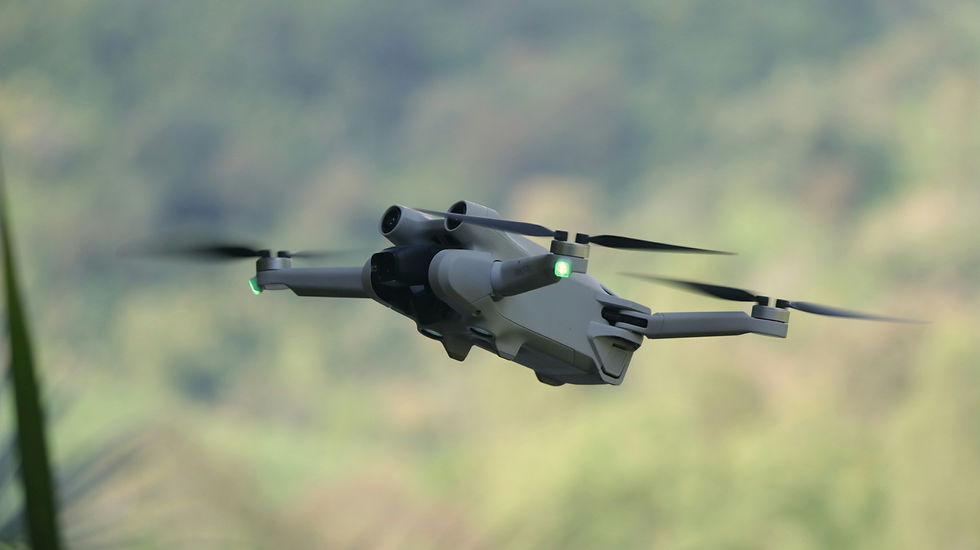
The attempted explosive-drone attack at Leipzig/Halle Airport should change how Europe views drone security.
This was not simply another airport disruption or an extension of the threat seen on the battlefield. It was a warning that airports, ports, offshore installations, energy terminals and logistics hubs are increasingly exposed to low-cost, adaptable and potentially deniable threats.
On 1 September 2026, the German Government attributed the attempted August attack to Russia. Moscow denies responsibility. According to the Associated Press, the explosive-laden drone was discovered near a Ukrainian aircraft and defused without causing harm.
Whatever the eventual findings, the incident exposes a wider European vulnerability: infrastructure that is civilian in ownership and daily operation may also possess considerable strategic importance.
Civilian infrastructure & Strategic Consequences
Leipzig/Halle is both a civilian airport and a major logistics centre. Similar dual-use characteristics can be found across European ports, airfields, energy terminals, data facilities and offshore infrastructure. Disruption at one location can affect passenger safety, industrial supply chains, energy security, emergency response and allied military mobility.
Counter-UAS critical infrastructure protection in Europe must therefore be treated as a resilience and governance priority—not simply as the purchase of another security product.
No single radar, camera, jammer or interceptor can provide a complete answer. Effective protection requires a layered system capable of detecting an object, identifying and tracking it, assessing its intent, distributing reliable information and enabling an authorised, proportionate response.
The European Commission’s Action Plan on Drone and Counter-Drone Security reflects this need. Its priorities include improved preparedness, stronger detection, integrated air-picture systems, coordinated responses, expanded testing and greater civil-military cooperation.
Technology must be Supported by Governance and Oversight
The technical challenge is only one part of the equation. Civilian operators, police forces, aviation authorities, regulators, emergency services and defence stakeholders must understand who is responsible for each stage of an incident.
Who confirms that a drone is hostile? Who may authorise electronic countermeasures? How are aviation and communications safety protected? When does responsibility transfer from the site operator to the police or national authorities?
These questions must be answered before an incident occurs.
Clear escalation protocols, regular exercises, shared operating procedures and secure information flows are as important as the equipment itself.
This aligns with the European Commission’s wider work on critical-infrastructure resilience, including its July 2026 guidance covering technical, security and organisational resilience measures.
An Opening for European, Canadian and Allied SMEs
The scale of the challenge creates a significant opportunity for specialist European, Canadian and allied SMEs. Smaller companies are often well placed to provide adaptable capabilities in radar and passive detection, radio-frequency monitoring, electro-optical sensors, electronic protection, artificial intelligence, command-and-control software, systems integration, testing, simulation and operator training.
The greatest value, however, will come from combining these capabilities.
Infrastructure operators need integrated, site-specific solutions that can work within national laws and established safety procedures—not a collection of disconnected products.
This requires cooperation between technology developers, local integrators, infrastructure operators and public authorities. Canadian and other allied businesses can contribute proven technologies and operational experience, while working with European partners that understand local procurement, regulation and stakeholder expectations.
Turning C-UAS Capability into Credible Industry-Partnerships
CEC Global is not an equipment manufacturer. Our role is to help credible counter-UAS SMEs, integrators and infrastructure stakeholders identify the right partners, position their capabilities responsibly and engage effectively across borders.
We support partner identification, stakeholder mapping, market-entry planning, strategic communications and engagement with operators, public authorities and industry networks. Our focus is on helping build partnerships that connect technology with operational need, regulatory reality and long-term resilience.
The lesson from Leipzig is clear: Europe cannot wait for a successful attack before closing its counter-drone security gap.
Critical-infrastructure operators and counter-UAS SMEs can learn more about CEC Global’s Bespoke Introductions, Risk & Advisory services and discuss their market-entry, partnership and stakeholder-engagement requirements.
About Nic: Founding CEC in 2012, Nic has advised a number of leading energy, security, fintech, HNWI/funds, political and oil gas stakeholders across the world. With nearly 20 years of industry experience, Nic is able to help advise you on all elements of your strategic communications strategy and facilitate connections at the highest levels. Nic is also the chair to a number of industry events and a frequent media contributor - speaking on a range of topics including: energy, business, politics and the Former Soviet Union. Nic is also a volunteer crew member with the Royal National Lifeboat Institution (RNLI) - the UK's volunteer based saving lives at sea charity.
Nic is also the European Director for the Western Canada Defence Industries Association.
In 2024 Nic was made a Knight Commander of the Order des Belges (TME CdB) for humanitarian services.
For all info or to contact Nic, please email nicholas.cobb@cecglobal.co


Comments